
4
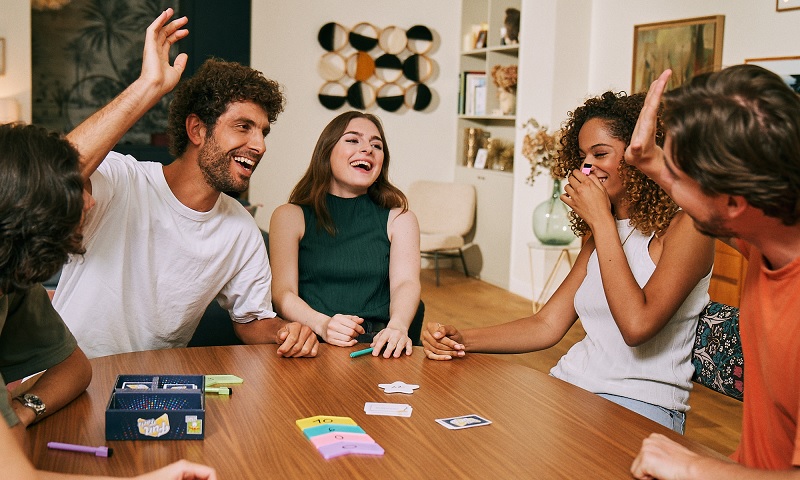
In an era dominated by screens and asynchronous digital communication, the traditional card game night has reclaimed its status as a premier form of adult socialization. There is a distinct, undeniable gravity to gathering a group of friends around a physical table, shuffling a fresh deck, and engaging in face-to-face competition. However, the transition from a casual idea in a group chat to a genuinely exciting, seamless event requires deliberate engineering. Throwing a deck of cards onto a coffee table and hoping for the best usually results in fragmented attention, stalled momentum, and early departures. Hosting a successful game night is about curating an environment where the mechanics of the evening fade into the background, allowing the social dynamic and the thrill of the game to take center stage.
Selecting the Right Arsenal of Games
The most critical decision you will make as a host is the game selection. The fatal flaw of many game nights is the host imposing a highly complex, hour-long strategic endeavor on a group that simply wants to drink casually and share stories. You must ruthlessly evaluate the attention span and gaming literacy of your invitees.
Gauging the Crowd’s Experience Level
If your friends are casual players, lean heavily into fast-paced, high-interaction party games or classic trick-taking games like Spades, Hearts, or Euchre. These games possess a shallow learning curve but offer enough strategic depth to keep adults engaged. If your group consists of seasoned tactical thinkers, you can introduce modern deck-builders, complex social deduction games, or intense poker variations. The golden rule of game selection is that the host must already know the rules flawlessly. Attempting to decipher a complex rulebook in real-time while five guests wait is the fastest way to kill the energy in the room.
The Strategic Progression of the Evening
A premium game night operates on a bell curve of complexity. Begin the evening with a warm-up game. This should be a rapid-fire, high-energy card game that accommodates late arrivals and gets people laughing while they settle in with their first beverage. Once everyone has arrived and the social pleasantries have peaked, transition into the main event—the heaviest, most strategically demanding game of the night. This is when your guests’ cognitive focus is at its highest. As the evening winds down and mental fatigue sets in, pivot back to a chaotic, low-stakes game to end the night on a loud, energetic high note.
Curating the Physical Environment
The physical setup of your playing space dictates the flow of the entire evening. A premium experience requires more than clearing a few magazines off the dining table.
The Importance of the Playing Surface
Cards are notoriously difficult to pick up off a hard glass or polished wood table, and constant fumbling slows the pace of play. Invest in a neoprene gaming mat or a simple felt table cover. This small addition drastically elevates the tactile feel of the game, allows cards to slide smoothly across the surface, and immediately signals to your guests that this is a structured event.
Lighting and Seating Dynamics
The lighting in the room must strike a balance between ambient hospitality and strict utility. Your guests must be able to read small text on cards without straining, but you want to avoid the harsh, clinical glare of overhead fluorescent bulbs. Utilize focused, warm lighting directed at the table center. Furthermore, seating is paramount. Every player must have unobstructed visual access to the center of the table and the other players. If someone is crammed into a corner or sitting on a low sofa while others are in high dining chairs, it creates a psychological imbalance and disconnects them from the core action.
Navigating Group Dynamics and Player Personalities
A card game night is a microcosm of human psychology. As the host, you are not just teaching rules; you are managing personalities. Every friend group possesses a distinct mix of archetypes: the hyper-competitive alpha gamer who wants to optimize every move, the social butterfly who is just there to chat and keeps forgetting whose turn it is, and the quiet observer who analyzes everything before acting.
Mitigating the Alpha Gamer
The competitive player can inadvertently ruin the experience for casual players by quarterbacking the game—telling everyone else what their optimal move should be. You must neutralize this behavior early. Introduce games with hidden information or simultaneous action selection where players cannot dictate the choices of others. Set a firm but polite precedent that every player is responsible for their own decisions.
Engaging the Casual Player
For the highly social guests who struggle with complex mechanics, patience is paramount. Seat them next to a veteran player who can quietly assist them without taking over their turn. Encourage a table culture where asking questions is welcomed, and ensure the competitive players understand that the primary objective of the evening is collective enjoyment, not ruthless domination. By actively balancing these dynamics, you prevent frustration and ensure everyone feels valued and entertained.
Establishing House Rules and Managing the Stakes
Whether you are playing a standard game of Texas Hold’em or an intense modern card game, ambiguity is the enemy of a good time. Before the first card is dealt, the host must clearly and concisely explain the house rules.
Defining the Win Conditions and Boundaries
Explain exactly how the game ends, how points are scored, and how disputes will be settled. If there are optional rules or variants being used, declare them immediately. This proactive communication prevents mid-game arguments that can quickly sour the mood and bring the momentum to a grinding halt.
Handling the Stakes
If your game night involves traditional wagering, the financial stakes must be established in the initial invitation, not at the door. No guest should ever feel financially uncomfortable or pressured into playing outside their means. For non-gambling groups, you can still inject the psychological thrill of wagering by using a set of weighted clay poker chips purely for tracking points. The physical act of tossing heavy chips into the center of the table triggers a competitive dopamine response that keeping score on a digital notepad simply cannot replicate.
The Tactical Approach to Food and Beverage
Providing sustenance is a core duty of any host, but a card game night introduces unique logistical hazards. Your absolute priority is protecting the integrity of the playing pieces. A single greasy fingerprint or a spilled cocktail can ruin a deck of cards and bring the game to a permanent halt.
The Rule of Clean Snacking
Avoid anything that leaves a residue. Potato chips, heavily sauced chicken wings, and powdered candies are strictly forbidden at the card table. Instead, opt for dry, bite-sized foods. Charcuterie boards with cured meats, hard cheeses, grapes, and pretzels provide premium grazing options without compromising the cards. If you plan to serve a heavy, messy meal, enforce a strict break in the gaming. Move the guests away from the playing surface entirely to eat, and only resume play once hands have been washed and the table is cleared.
Managing the Spill Zone
Drinks are a mandatory component of the evening, but open glasses resting next to shuffling hands are a disaster waiting to happen. If possible, utilize small side tables adjacent to the main playing area to house beverages. If drinks must remain on the main table, enforce the use of heavy, wide-bottomed glassware that is difficult to knock over, and insist on the use of coasters to prevent condensation rings from damaging the playing surface.
Reading the Room and Knowing When to Fold
The hallmark of an exceptional host is the ability to read the energetic temperature of the room. You must remain hypersensitive to the engagement levels of your guests. If you introduce a game and notice players checking their phones, engaging in side conversations when it is their turn, or staring blankly at their hands, the game has failed.
Do not fall into the sunk-cost fallacy of forcing the group to finish a game they are not enjoying. Have the confidence to pause the action, suggest a pivot, and transition to a lighter, more engaging alternative. Finally, control the conclusion of the evening. It is always better to end the night while everyone is still having a fantastic time and begging for one more round, rather than dragging the event out until the remaining players are exhausted and simply waiting for a polite moment to leave. Leaving them wanting more guarantees that your next game night invitation will be met with immediate enthusiasm and a full table.
