
1
Mention the game of bingo a decade ago, and the collective imagination immediately defaulted to a hushed community center, fluorescent lighting, and a room full of serious players armed with specialized daubers. It was an activity largely associated with quiet weekend afternoons and rigid tradition. Today, however, a walk through a bustling downtown entertainment district paints a drastically different picture. You are just as likely to find a spirited game of bingo taking place in a packed craft brewery, a high-energy nightclub, or streaming live on a popular mobile application.
This dramatic shift in demographic and venue is not an accident. As the broader entertainment and hospitality industries pivot heavily toward experiential social events, bingo has experienced an unprecedented cultural renaissance. By shedding its outdated reputation and adapting to modern consumer preferences, the game has quietly positioned itself as one of the fastest-growing activities among casual entertainment fans. Understanding this resurgence requires looking past the simple mechanics of drawing numbers and examining the psychological, social, and economic drivers that make the modern iteration of this classic game incredibly appealing.
The Evolution from Traditional Halls to Modern Social Hubs
The most significant catalyst for the game’s modern popularity is the complete overhaul of its environment. Traditional bingo halls prioritized the game over the atmosphere. Silence was strictly enforced during the calling of numbers, and the primary motivation for attendance was the pursuit of a cash jackpot. The modern casual entertainment sector has completely inverted this model.
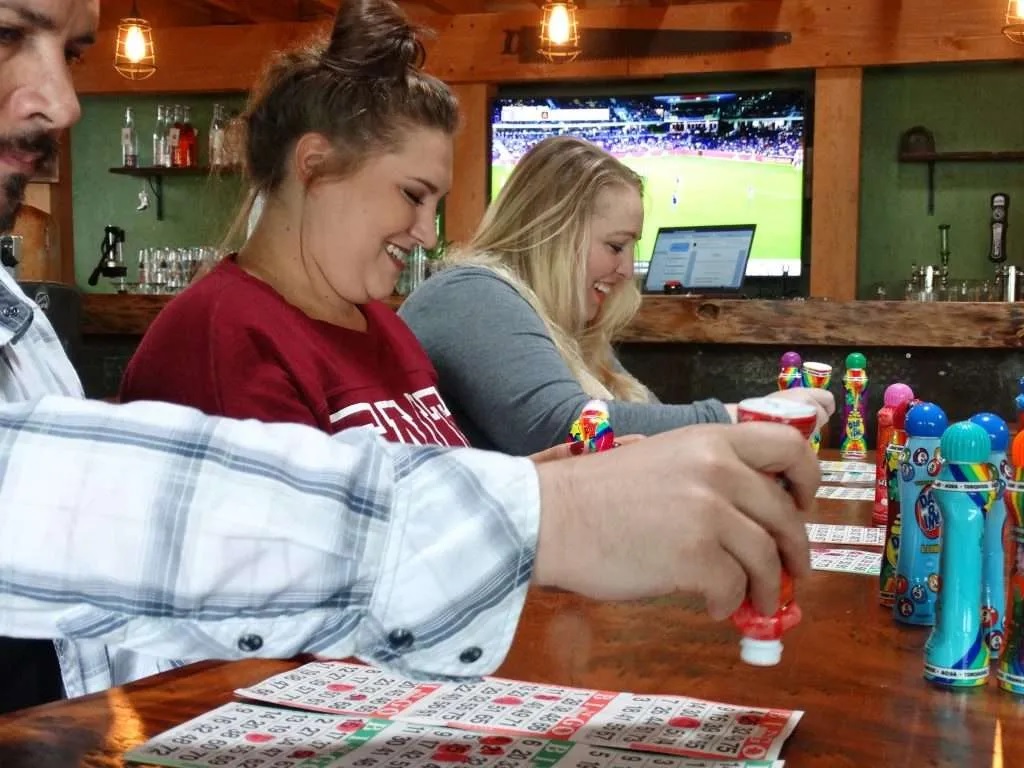
Today’s venues treat the game as a framework for socializing rather than a high-stakes gambling endeavor. Local pubs, craft breweries, and trendy restaurants have adopted bingo nights as a reliable strategy to drive foot traffic on notoriously slow weeknights. In these environments, the rigid rules of the past are discarded. Players are actively encouraged to talk, eat, drink, and interact while they play. The host or caller frequently acts more as a stand-up comedian or master of ceremonies than a strict referee, injecting humor and crowd work into the breaks between numbers. This environment transforms the game from an isolated financial pursuit into a vibrant, communal nightlife experience.
The Low Barrier to Entry and Broad Accessibility
In an era where many forms of modern entertainment require a significant investment of time, money, or skill, bingo stands out for its absolute simplicity. This low barrier to entry is arguably its most powerful asset in attracting a casual audience.
Simplicity as a Driving Force
If a group of friends decides to visit a casino, they must navigate a steep learning curve. Approaching a craps table or sitting down at a Texas Hold’em game without understanding the complex rules, betting structures, and table etiquette is highly intimidating and often financially punishing. Bingo entirely bypasses this friction. There is no strategy to memorize, no complex mathematics to calculate, and no inherent skill gap between a seasoned veteran and a first-time player. If you can listen to a caller and locate a number on a grid, you are immediately playing on an even playing field with everyone else in the room. This universal accessibility makes it the perfect group activity, easily accommodating diverse crowds with varying interests and backgrounds.
Cost-Effective Entertainment
Beyond the cognitive ease of play, the financial accessibility of bingo is incredibly attractive to the casual consumer. Attending a concert, visiting a theme park, or even going to a modern movie theater represents a substantial financial commitment. In contrast, pub or brewery bingo is frequently free to play with the purchase of a meal or a beverage. Even in dedicated digital or charity settings, the cost of a card is nominal. Players are essentially purchasing two to three hours of structured, engaging entertainment for a fraction of the cost of standard nightlife alternatives, making it an easy addition to a weekly social rotation.
The Rise of Thematic and Interactive Variations
To capture a younger, dynamic demographic, event organizers realized that simply calling numbers out of a cage would eventually lose its novelty. The solution was to inject pop culture and thematic elements directly into the core mechanics of the game, resulting in highly interactive variations that blur the line between a traditional game and a theatrical performance.
One of the most wildly successful adaptations is Musical Bingo. In this variation, the traditional numbers on the grid are replaced by song titles and artists. Instead of calling out B-12, a live DJ plays a fifteen-second clip of a recognizable hit. Players must identify the track and mark it on their boards. This simple twist fundamentally changes the energy of the room, turning a quiet tracking game into a massive, room-wide singalong.
Similarly, the explosion of Drag Bingo across the United States has elevated the game into a high-energy cabaret show. Hosted by drag performers, these events lean heavily into crowd interaction, comedy, and theatricality. The actual playing of the game becomes secondary to the overarching entertainment value of the hosts. By marrying the simple structure of the game with external entertainment formats, organizers have successfully marketed bingo to demographics that would have never considered setting foot inside a traditional hall.
The Digital Transformation and Mobile Integration
The casual gaming boom on smartphones provided the perfect digital infrastructure for bingo to thrive outside of physical venues. App developers quickly realized that the mechanics of the game translate perfectly to a touchscreen interface.
The mobile iteration of the game taps into the modern consumer’s desire for asynchronous, low-commitment entertainment. Players can log in while commuting, waiting in line, or relaxing on the couch, and complete a game in a matter of minutes. Furthermore, developers have gamified the experience by adding experience points, unlockable avatars, and daily challenges. This digital format caters perfectly to the “second-screen” phenomenon, where consumers want a passive but engaging activity on their phone while simultaneously watching television or listening to a podcast. The tactile satisfaction of tapping a digital dauber combined with vibrant animations and immediate feedback loops provides a highly satisfying micro-entertainment experience.
The Psychological Appeal of the Near Miss
Whether played in a noisy pub or on a quiet smartphone screen, the enduring appeal of the game relies heavily on a specific psychological trigger known as the near miss.
As a game progresses, the tension in the room naturally escalates. Players find themselves needing only one or two numbers to complete a winning pattern. When the caller announces a number that is incredibly close to the one needed, or when a player has four out of five numbers in a row, the brain releases a surge of dopamine. This near miss effect is a recognized psychological driver that creates a powerful sense of anticipation and excitement.
Unlike high-stakes casino games where a near miss often results in a devastating loss of capital, the near miss in casual bingo is entirely thrill-based. Because the financial stakes are exceptionally low, the tension is purely recreational. The collective groan of a room when the wrong number is called, followed instantly by the shout of “Bingo!” from a winning table, creates a communal emotional rollercoaster that is highly addictive in the best possible way.
Fostering Community in a Fragmented Era
Ultimately, the resurgence of this classic game speaks to a deeper societal desire for low-pressure, face-to-face connection. In an increasingly digital and fragmented world, casual entertainment fans are actively seeking out structured environments that facilitate real-world interaction without the exhaustion of intense networking or formal events.
Bingo forces proximity. Players sit at communal tables, share daubers, and commiserate over bad luck. It serves as a form of parallel play for adults—an activity that allows people to be together and engaged in a shared goal without the constant pressure to maintain a deep conversation. It bridges generational divides, providing a rare space where college students, young professionals, and retirees can genuinely enjoy the exact same entertainment experience side by side. By preserving the thrilling anticipation of the original game while entirely reinventing the surrounding culture, the modern bingo scene has successfully secured its place as a cornerstone of casual, community-driven entertainment.
